
I was working with the parents of a six-year-old girl recently who sometimes hits when she gets overwhelmed. We were talking about her stress response and what might help when I mentioned something I’ve used in play therapy rooms for years: an inflatable punching bag. Her father immediately looked concerned.
He’d read research suggesting that punching something when you’re angry can increase rather than decrease aggression. I had a different understanding of how punching bags are sometimes used therapeutically, particularly as a safe place for physical expression rather than as a way to “vent” anger. There are meaningful distinctions between those things, and I could happily read and debate the research with anyone.
But we wouldn’t want to make research and adult “theories” the drivers of a question that belonged first and foremost to the child. Because who’s the biggest expert in the room when we’re trying to figure out what helps this six-year-old when they’re in distress? The six-year-old.
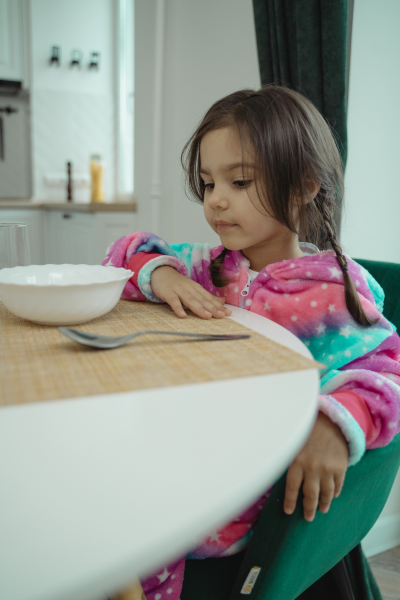
I can bring my clinical experience. Her parents can bring everything they know from six years of loving and raising her. Research can tell us what happened on average when researchers studied certain groups of kids under particular conditions. But this child is the only person who can tell us what it feels like inside her body when her nervous system starts feeling overwhelmed.
So rather than telling her, “Here’s what you should do when you feel like hitting,” we can start with her: “I’ve noticed that you had trouble last night getting ready for bed. What was hard about that for you?”
Then we listen. Because we don’t want to spend too much energy figuring out what’s the optimal response to aggressive energy. We want to spend the bulk of our energy trying to solve the problems that cause her nervous system to move into a stress response in the first place.
What reliably happens before she hits? What expectation is she having difficulty meeting? What’s making it difficult? Can we identify the problem proactively, hear her concerns, share ours, and solve it together before her nervous system ever needs to communicate through physical aggression?
Of course, we still need a plan for the moments when we don’t catch it early enough. Kids are kids, parents are human, and nobody is going to proactively solve every problem before someone gets overwhelmed. Having safe ways to respond when her body reaches that point matters.
But I’d much rather help a child tell us, “I don’t like being rushed at bedtime,” and then solve the rushing problem with her than become world experts on what she should do with her body after being rushed has already pushed her into a stress response.
That’s one of the things I love most about collaborative problem solving. Research matters, and experts can be helpful, but neither can tell us everything we need to know about the particular child standing in front of us. For that, we have to ask the child.
The research gets a seat at the table, and so do the parents, and any other person who cares for the child. But the child whose problem we’re trying to solve gets to sit at the head of the table. After all, nobody in the room has more experience being that kid than she does.
* * *
Click the button below and schedule a free, 15-minute call.
We’ll discuss how we may be able to help.


